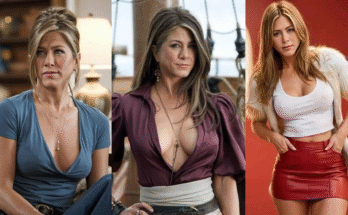
The complex journey of Lori Anne Loughlin, from small-town beginnings to television stardom to personal crisis and the path toward redemption
Introduction: A Life of Triumph and Trial
Lori Anne Loughlin’s life story encompasses the heights of television success, the complexities of fame and family, and ultimately, a profound fall from grace followed by a difficult journey toward redemption. Known to millions as Rebecca “Becky” Donaldson Katsopolis on “Full House,” Lori’s career spanned decades and made her one of America’s most recognizable television actresses.
Her story took a dramatic turn in 2019 when she became embroiled in the college admissions bribery scandal that would fundamentally alter her life, career, and public image. The contrast between her wholesome on-screen persona and the criminal charges she faced created a narrative of complexity that forced both her and her audiences to grapple with questions about privilege, parenting, and the consequences of poor decisions.
What makes Lori’s story particularly compelling is not just the dramatic fall, but her response to it—the legal battles, the imprisonment, the loss of career opportunities, and the ongoing effort to rebuild her life and reputation. Her journey illustrates how personal choices can have far-reaching consequences, but also how individuals can work to accept responsibility and seek redemption.
This biography examines Lori’s complete life story—from her early acting success through her family life and career achievements, to the scandal that changed everything, and her current efforts to move forward. It’s a story that reminds us that public figures are complex human beings capable of both admirable achievements and serious mistakes.
Chapter 1: Early Life and Acting Beginnings (1964-1982)
Small-Town Roots
Lori Anne Loughlin was born on July 28, 1964, in the Bronx, New York, to Lorellee (Albanese) and Joseph Roy Loughlin. When she was one year old, her family moved to Hauppauge, Long Island, where she would spend her formative years in a middle-class suburban environment that emphasized education, hard work, and family values.
Her father worked in construction while her mother managed the household and provided stability for Lori and her siblings. The Loughlin family embodied traditional American values of the 1960s and 1970s, emphasizing personal responsibility, respect for authority, and the importance of making something of yourself through dedicated effort.
Growing up on Long Island provided Lori with a relatively normal childhood despite her proximity to New York City and its entertainment industry. Her parents were supportive but not stage parents, encouraging her interests without pushing her toward entertainment as a career path.
The suburban environment of her youth would later influence her approach to her own family life and her desire to provide stability and normalcy for her children despite the demands and temptations of Hollywood success.
Early Modeling and Discovery
As a teenager, Lori’s natural beauty and photogenic qualities led to opportunities in modeling, which provided her first exposure to the entertainment industry. Her early modeling work taught her about professionalism, time management, and working with photographers and creative teams.
Her modeling success in the New York area eventually led to opportunities for television commercials and small acting roles that provided her with experience in front of cameras and working with directors and other performers.
These early professional experiences taught Lori about the entertainment industry’s demands and opportunities while also providing her with the confidence and skills that would prove valuable throughout her career.
Her success in modeling and commercials demonstrated her natural screen presence and ability to connect with audiences, qualities that would become central to her later television success.
Transition to Acting
Lori’s transition from modeling to acting was gradual, beginning with small television roles and commercial work that allowed her to develop her acting skills while maintaining her modeling career as a safety net.
Her early acting work included guest appearances on various television shows that provided her with experience in different genres and working relationships with established actors and production teams.
The discipline and professionalism she had learned through modeling served her well as she navigated the more complex demands of acting, including memorizing dialogue, working with other actors, and understanding character development.
Her natural ability to convey emotion and connect with audiences quickly became apparent to casting directors and producers who recognized her potential for larger roles and ongoing series work.
Education and Personal Development
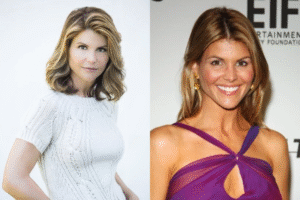
Throughout her teenage years and early career development, Lori balanced her professional opportunities with her education, ensuring that she maintained academic progress while exploring her entertainment career options.
Her parents’ emphasis on education provided her with a foundation of knowledge and critical thinking skills that would prove valuable throughout her career and personal life, even as her professional success accelerated.
The balance between education and career preparation taught Lori about time management and priority setting that would become essential skills for managing her later success and family responsibilities.
Her well-rounded development during these formative years provided her with perspective and life skills that extended beyond entertainment, creating a foundation for her approach to relationships, parenting, and business decisions.
Chapter 2: Television Breakthrough and Soap Opera Success (1982-1988)
Landing on “The Edge of Night”
Lori’s breakthrough role came in 1982 when she was cast as Jody Travis on the long-running soap opera “The Edge of Night.” This role provided her with her first steady employment in television and valuable experience in the demanding world of daily drama production.
Working on a soap opera required Lori to master rapid script memorization, emotional accessibility, and the ability to maintain character consistency across hundreds of episodes filmed at a fast pace with minimal rehearsal time.
The role of Jody Travis allowed Lori to explore dramatic acting and develop her skills in portraying complex emotional situations, romantic relationships, and family dynamics that would prepare her for her later work in family-oriented television.
Her success on “The Edge of Night” established her reputation as a reliable, professional young actress who could handle the technical and emotional demands of regular television production.
Soap Opera Education
The experience of working on a daily drama provided Lori with an intensive education in television production, acting technique, and the business aspects of the entertainment industry that would prove invaluable throughout her career.
The collaborative nature of soap opera production taught her about working effectively with large ensemble casts, supporting other actors’ work, and contributing to storylines that served the overall narrative rather than just her individual character.
The rapid pace and high volume of soap opera production developed her ability to work efficiently under pressure while maintaining quality performance standards, skills that would serve her well in all her future projects.
Her relationships with fellow actors, directors, and crew members during this period provided her with a network of professional contacts and friendships that would continue throughout her career.
Building Industry Reputation
Lori’s professional behavior and acting abilities during her soap opera years established her reputation within the television industry as someone who could be trusted with significant responsibilities and ongoing character development.
Her ability to handle both dramatic and lighter material demonstrated her versatility as a performer and made her attractive to casting directors looking for actresses who could work across different genres and show formats.
The visibility provided by her soap opera work led to opportunities for guest appearances on other shows and consideration for roles in prime-time television that would expand her career opportunities.
Her growing reputation also attracted the attention of agents and managers who could help her navigate career decisions and negotiate better opportunities as her profile increased.
Personal Life Development
During her soap opera years, Lori began developing her adult personal life, including romantic relationships and friendships that were separate from her professional activities but influenced by her growing success and visibility.
The financial stability provided by regular television work allowed her to establish independence from her family while maintaining close relationships with them and appreciating their continued support for her career.

Her experience with the entertainment industry’s social aspects taught her about maintaining authentic relationships amid the superficiality and competition that often characterize Hollywood social environments.
The balance she learned to maintain between professional demands and personal relationships during this period would become crucial as her career advanced and her personal life became more complex.
Chapter 3: Full House Era and Career Peak (1988-1995)
Joining the Tanner Family
When Lori was cast as Rebecca Donaldson on “Full House” in 1988, she was joining an already successful show that would provide her with the most defining role of her career. Her character’s introduction as the new co-host of “Wake Up San Francisco” brought a fresh dynamic to the series.
The role of Rebecca required Lori to balance professional competence with romantic chemistry, particularly in her developing relationship with John Stamos’s Jesse Katsopolis character. This relationship would become central to the show’s appeal and Lori’s career identity.
Her integration into the “Full House” cast required her to develop chemistry not only with John Stamos but with the entire ensemble, including the child actors who played the Tanner daughters and the adult men who portrayed the father figures.
The family-friendly nature of “Full House” aligned well with Lori’s personal values and public image, creating a professional situation where her authentic personality could enhance rather than conflict with her character portrayal.
Character Development and Performance
Rebecca’s evolution from career-focused television host to wife and mother provided Lori with opportunities to explore different aspects of acting while maintaining character consistency across multiple seasons and years of development.
Her portrayal of Rebecca’s relationship with Jesse demonstrated her ability to convey romantic chemistry while also showing the challenges and growth that come with long-term relationships and marriage.
The character’s professional competence and personal strength made Rebecca a positive role model for female viewers, reflecting Lori’s own intelligence and capability while avoiding stereotypical portrayals of women in family sitcoms.
Her work with the child actors on “Full House” revealed her natural ability to connect with young performers and contribute to the authentic family atmosphere that made the show successful.
Behind-the-Scenes Contributions
Beyond her on-screen performance, Lori became known for her professionalism and positive attitude on set, contributing to the collaborative atmosphere that characterized “Full House” production.
Her experience in television production and her mature approach to her work made her a valuable collaborator for writers and directors who could trust her to enhance scripts through her performance choices and professional insights.
The relationships she built with her fellow cast members during the “Full House” years became genuine friendships that extended beyond professional obligations and would continue long after the show ended.
Her mentoring of younger cast members and her support for the overall production demonstrated leadership qualities that enhanced the show’s success while building her reputation as someone others enjoyed working with.
Cultural Impact and Recognition
“Full House” became a cultural phenomenon during Lori’s years on the show, making her a recognizable figure to millions of viewers and establishing her as a representative of wholesome family entertainment.
Her portrayal of Rebecca contributed to the show’s positive messages about family, love, and personal growth, making her part of television content that parents felt comfortable sharing with their children.
The show’s success provided Lori with financial security and career visibility that opened doors to other opportunities while also creating expectations about her public image and personal behavior.
Her association with “Full House” became both an asset and a limitation, providing her with ongoing recognition and opportunities while also creating typecasting challenges as she sought to expand her career in different directions.
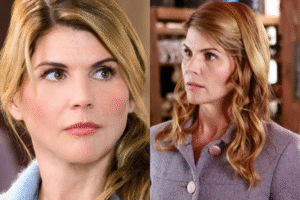
Chapter 4: Post-Full House Career and Family Life (1995-2010)
Career Diversification
After “Full House” ended in 1995, Lori faced the challenge of transitioning from a successful ensemble sitcom to establishing herself as a leading actress in other formats and genres.
Her post-“Full House” career included television movies, guest appearances on various series, and attempts to establish herself in dramatic roles that would demonstrate her range beyond family comedy.
The challenge of moving beyond her Rebecca Katsopolis image required Lori to take on roles that were different enough to show her versatility while not alienating the fan base that knew and loved her from “Full House.”
Her approach to career diversification was methodical and strategic, choosing projects that would enhance her reputation while maintaining the positive public image that had become central to her brand.
Television Movies and Hallmark Success
A significant portion of Lori’s post-“Full House” career involved television movies, particularly her long-running association with Hallmark Channel productions that provided her with steady work in family-friendly content.
Her success in Hallmark movies demonstrated her ability to carry romantic and dramatic storylines while maintaining the wholesome appeal that had made her popular on “Full House.”
The Hallmark partnership provided Lori with creative satisfaction and financial stability while allowing her to work on projects that aligned with her personal values and public image.
Her reputation as a reliable leading lady in television movies made her a sought-after performer for productions seeking established names who could attract audiences and deliver quality performances.
Marriage and Family Building
Lori’s marriage to fashion designer Mossimo Giannulli in 1997 marked the beginning of a new chapter in her personal life that would influence her career decisions and life priorities for decades to come.
The blending of their families—Lori’s daughter Olivia Jade from a previous relationship and Mossimo’s son from his previous marriage—created a complex family dynamic that required careful navigation and commitment from both parents.
The birth of their daughter Isabella in 1998 completed their family unit and shifted Lori’s priorities toward balancing career opportunities with her responsibilities as a mother to two daughters.
Her approach to parenting emphasized providing her children with opportunities and experiences while also trying to maintain normal family relationships despite the pressures and temptations of wealth and celebrity.
Balancing Career and Motherhood
Throughout the late 1990s and 2000s, Lori worked to balance her continuing career with her priorities as a mother, often choosing projects that would allow her to maintain her professional visibility while being present for her family.
Her decision-making process for career opportunities increasingly included consideration of how projects would affect her family life and her ability to be the kind of mother she wanted to be for her daughters.
The financial success she had achieved through “Full House” and her subsequent work provided her with the luxury of being selective about projects rather than accepting work based solely on financial necessity.
Her public image during this period emphasized her role as a devoted mother and wife who was successfully balancing career and family responsibilities, creating an aspirational model for many women.
Wealth and Lifestyle Development
The combination of Lori’s entertainment career success and Mossimo’s fashion business success provided their family with significant wealth that afforded them a luxurious lifestyle and numerous opportunities.

Their affluent lifestyle included expensive homes, travel, and educational opportunities for their children that reflected their financial success while also creating expectations and pressures that would later contribute to serious problems.
The couple’s social circle included other successful entertainment and business figures, creating an environment where wealth and status were normalized and where certain behaviors and attitudes were accepted or encouraged.
The privileges and opportunities that came with their financial success also created a sense of entitlement and separation from ordinary consequences that would later prove problematic when they made poor decisions.
Chapter 5: The College Admissions Scandal (2019)
Operation Varsity Blues Involvement
In March 2019, Lori’s life changed dramatically when she was arrested as part of the FBI’s “Operation Varsity Blues” investigation into college admissions fraud. She and Mossimo were accused of paying bribes to facilitate their daughters’ admission to the University of Southern California.
The charges alleged that the couple had paid $500,000 to have their daughters designated as recruits for the USC rowing team, despite neither daughter being rowers, in order to improve their chances of admission to the prestigious university.
The scandal revealed a complex scheme involving Rick Singer, a college admissions consultant who facilitated bribes and fraudulent applications for wealthy families seeking to gain their children admission to elite universities.
Lori’s involvement in the scandal was particularly shocking to the public because of her wholesome image and her role as a representative of family values through her “Full House” work and Hallmark movies.
Legal Proceedings and Denial
Initially, Lori and Mossimo pleaded not guilty to the charges, maintaining their innocence and suggesting that they believed their payments were legitimate donations to the university rather than bribes for fraudulent admissions.
Their legal strategy included attempts to argue that they had been deceived by Rick Singer and that they genuinely believed they were making legitimate contributions to USC programs rather than participating in fraud.
The legal proceedings revealed extensive evidence of their participation in the scheme, including recorded phone calls and emails that demonstrated their knowledge of the fraudulent nature of their actions.
As the evidence mounted and other defendants began pleading guilty and receiving sentences, the pressure on Lori and Mossimo to accept responsibility for their actions intensified.
Media Coverage and Public Reaction
The scandal generated extensive media coverage that was particularly intense for Lori due to her celebrity status and the contrast between her public image and the charges against her.
Public reaction was largely negative, with many people expressing disappointment and anger that someone associated with wholesome family entertainment would engage in behavior that undermined educational fairness and opportunity.
The coverage often focused on the privilege and entitlement that the scandal represented, with Lori becoming a symbol of how wealthy parents would cheat to give their children advantages over more deserving but less affluent students.
The intense media scrutiny affected not only Lori but also her daughters, who faced public embarrassment and criticism despite being portrayed as victims of their parents’ poor decisions.
Career Consequences
The scandal immediately destroyed Lori’s career prospects, with Hallmark Channel and Netflix both cutting ties with her and removing her from current and planned projects.
Her association with wholesome family entertainment made her involvement in the scandal particularly damaging to her professional reputation, as it directly contradicted the values and image that had been central to her brand.
The financial impact of losing her career prospects, combined with mounting legal fees and the costs of defending against the charges, created significant pressure beyond the legal and personal consequences.
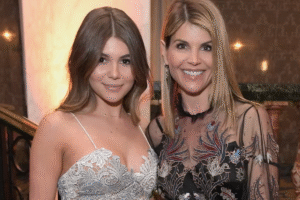
The scandal also affected her family’s social standing and business relationships, as Mossimo’s fashion business faced scrutiny and potential consequences related to his legal troubles.
Chapter 6: Accountability and Consequences (2020-2021)
Guilty Plea and Acceptance of Responsibility
In May 2020, after months of legal battles and mounting evidence, Lori and Mossimo changed their pleas to guilty, finally accepting responsibility for their participation in the college admissions fraud scheme.
Their decision to plead guilty came after it became clear that the evidence against them was overwhelming and that continuing to fight the charges would likely result in more severe sentences and additional suffering for their family.
Lori’s guilty plea included admissions to conspiracy to commit federal programs bribery and conspiracy to commit money laundering, acknowledging the serious nature of her crimes and their impact on the educational system.
The plea agreement represented a significant shift from their initial stance of innocence to acceptance of responsibility, though critics argued that this acceptance came only after their legal position became untenable.
Sentencing and Prison Time
In August 2020, Lori was sentenced to two months in federal prison, two years of supervised release, 100 hours of community service, and a $150,000 fine for her role in the college admissions scandal.
Her sentence was relatively light compared to what she might have received if she had been convicted at trial, reflecting both the plea agreement and the judge’s consideration of various factors including her lack of prior criminal history.
The prison sentence required Lori to serve time at the Federal Correctional Institution in Dublin, California, where she would experience the reality of incarceration and the consequences of her actions.
The public nature of her sentencing and imprisonment made her case a continued source of media attention and public discussion about privilege, accountability, and justice.
Prison Experience
Lori began serving her prison sentence in October 2020, experiencing the reality of federal incarceration that was dramatically different from her previous lifestyle of wealth and privilege.
Her time in prison was reportedly spent working in the facility’s kitchen and participating in programs designed to prepare inmates for reintegration into society after their release.
The experience of imprisonment provided Lori with direct exposure to the consequences of criminal behavior and the reality that wealth and status cannot ultimately protect individuals from the results of poor decisions.
Her prison experience also provided time for reflection on her actions and their impact on her family, her career, and the broader community that had been affected by the admissions fraud scheme.
Family Impact and Reflection
The scandal and its consequences had profound effects on Lori’s family, particularly her daughters, who faced public scrutiny and criticism despite being portrayed as victims of their parents’ decisions.
Olivia Jade, who had built a successful social media career, saw her endorsements and opportunities disappear as a result of the scandal, demonstrating how parents’ actions can have far-reaching consequences for their children.
The family’s relationships were strained by the legal proceedings, public scrutiny, and the challenge of navigating the aftermath of such a public and serious scandal.
The experience forced all family members to confront the role that privilege and entitlement had played in their lives and decisions, leading to difficult conversations and personal reflection about values and priorities.
Chapter 7: Life After Prison and Redemption Efforts (2021-Present)
Release and Reintegration
Lori was released from federal prison in December 2020 after serving nearly two months of her sentence, beginning the process of reintegrating into society and rebuilding her life after the scandal.
Her release marked the beginning of her supervised release period, during which she had to comply with various conditions and complete her community service requirements while working to rebuild her relationships and reputation.
The challenge of reintegration involved not only meeting legal requirements but also addressing the personal and family healing that was necessary after the trauma of the scandal and its consequences.
Her approach to reintegration emphasized privacy and focusing on family relationships rather than seeking immediate public attention or career opportunities that might seem premature or insincere.
Community Service and Reflection
Lori’s community service requirement provided her with opportunities to contribute to causes and organizations while fulfilling her legal obligations and demonstrating genuine commitment to making amends for her actions.
Her community service work was conducted privately, reflecting a deliberate choice to avoid publicity and focus on meaningful contribution rather than public relations benefit.
The experience of community service provided her with exposure to different communities and social issues that may have expanded her perspective beyond the privileged environment she had previously inhabited.
Her approach to community service emphasized genuine engagement and learning rather than merely completing required hours, suggesting authentic reflection on the values and priorities she wanted to embrace going forward.
Family Relationships and Healing
The period following Lori’s release from prison involved significant work on rebuilding and strengthening family relationships that had been damaged by the scandal and its aftermath.
Her relationships with her daughters required particular attention, as they had been directly affected by the scandal and needed to process their own feelings about their parents’ actions and the consequences they had faced.
The family’s approach to healing emphasized honest communication, acceptance of responsibility, and commitment to different values and decision-making processes going forward.
The process of family healing was complicated by continued public attention and media coverage that made privacy and normal relationship development more challenging than it might have been for a private family.
Career Considerations and Future Plans
As of 2024, Lori has not returned to acting or pursued new entertainment industry opportunities, focusing instead on personal and family priorities while considering how and whether to rebuild her professional life.
Any future career decisions will need to account for the continued impact of the scandal on her reputation and the reality that many industry professionals and audiences may not be ready to separate her from her criminal actions.
The entertainment industry’s response to her potential return remains uncertain, with different stakeholders likely having varying perspectives on whether and how someone in her position should be given second chances.
Her approach to potential career opportunities appears to emphasize authentic reflection and genuine commitment to different values rather than simply seeking to restore her previous status and success.
Public Perception and Ongoing Consequences
Public perception of Lori remains largely negative, with many people continuing to view her as a symbol of privilege and entitlement who has not fully accepted responsibility for her actions or their broader implications.
The ongoing consequences of the scandal continue to affect her family’s business interests, social relationships, and opportunities in ways that extend far beyond her individual legal penalties.
Her case continues to be referenced in discussions about privilege, educational equity, and criminal justice, making her a ongoing symbol in cultural and political discussions about fairness and accountability.
The challenge of rebuilding public trust and reputation will likely require sustained demonstration of changed values and authentic commitment to making positive contributions rather than seeking personal benefit.
Conclusion: Lessons in Privilege, Accountability, and Redemption
The Fall from Grace
Lori Loughlin’s story represents one of the most dramatic falls from grace in recent entertainment history, illustrating how poor decisions can destroy decades of career building and positive reputation in a matter of months.
Her involvement in the college admissions scandal revealed the extent to which privilege and wealth can distort judgment and lead to behaviors that are both illegal and morally questionable, even among people who had previously maintained positive public images.
The contrast between her wholesome television persona and her criminal actions forced audiences to confront the reality that public figures are complex individuals capable of both admirable achievements and serious moral failures.
Her case became a symbol of broader issues about educational equity, parental pressure, and the ways that wealth can be used to circumvent systems designed to provide fair opportunities for all students.
Accountability and Consequences
The legal consequences Lori faced for her actions demonstrated that wealth and celebrity status cannot ultimately protect individuals from the results of criminal behavior, though her relatively light sentence raised questions about whether justice was truly equal.
Her eventual acceptance of responsibility came only after legal pressure made denial impossible, raising questions about whether her accountability was genuine or simply strategic, and highlighting the importance of accepting responsibility promptly rather than only when consequences become inevitable.
The impact of her actions extended far beyond her individual consequences to affect her family, her former colleagues, and the broader entertainment industry’s reputation for integrity and positive values.
Her case illustrated how individual decisions can have far-reaching consequences that affect not only the decision-maker but also innocent family members, business partners, and professional communities.
The Path Forward
Lori’s efforts at redemption and rebuilding her life provide an ongoing example of how individuals can work to make amends for serious mistakes while building more authentic and values-based approaches to their personal and professional lives.
The sustainability of any redemption efforts will depend on her continued commitment to different values and decision-making processes, as well as her willingness to contribute positively to society rather than simply seeking to restore her previous status.
Her story serves as a cautionary tale about the dangers of privilege and entitlement while also providing hope that people can learn from serious mistakes and work to become better versions of themselves.
The ultimate judgment of her redemption efforts will likely depend on sustained demonstration of changed behavior and genuine commitment to positive contributions rather than seeking personal benefit or attention.
Broader Implications
Lori Loughlin’s story reflects broader cultural issues about parenting pressure, educational competition, and the ways that wealth and privilege can corrupt judgment and moral decision-making even among otherwise successful and accomplished individuals.
Her case contributed to important conversations about educational equity, criminal justice, and the responsibility of public figures to model positive values and behavior for their audiences.
The ongoing impact of her story illustrates how individual actions can become symbols in larger cultural and political discussions, creating lasting consequences that extend far beyond the original events.
Her experience provides lessons for other parents, public figures, and anyone in positions of privilege about the importance of maintaining ethical behavior and making decisions based on genuine values rather than competitive pressure or entitlement.
Lori Loughlin’s life story ultimately serves as both a cautionary tale about the consequences of poor decisions and a continuing example of the complex process of accountability, redemption, and the effort to rebuild a meaningful life after serious mistakes. Her journey reminds us that public figures are fallible human beings whose failures can provide important lessons about integrity, responsibility, and the ongoing work of becoming better people.